ladbroke8745
RefChat Addict
Taken from a Facebook forum post...


I'm leaning on B.
I'm leaning on B.



If she is in the process of touching the ball, if she doesnt, and theres no foul we are in the realms of an obvious action that impacts an opponent..But surely offside is when the player becomes active ie by playing the ball.
The ball was played towards her but she could easily have left/ignored the ball which would make her not offside, something we are told to do. She is taken out before she has the opportunity to have left it or played it.


I don't necessarily agree that this highlights confusion in the offside law....I mean, don't get me wrong, the offside law is an absolute mess that makes no logical senseI think this thread just goes to show how a) hard it is for a referee and b) how confusing parts of the offside law have become.
We have one who says A, one who says B and four say C
Might be easier if we could see a clip of it.

But surely offside is when the player becomes active ie by playing the ball.
The ball was played towards her but she could easily have left/ignored the ball which would make her not offside, something we are told to do. She is taken out before she has the opportunity to have left it or played it.

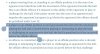
... but she's attempting to play the ball.However take the keeper out of that picture then the answer changes as she has not interfered with an opponent or interfered with play until she touches or plays the ball.
I think it's a great question for thinking about--whether it has a clear answer is another issue. But it brings together three potential issues for us as referees: (1) when does an offside infringement actually occur, (2) what do you do when two offenses are simultaneous., and (3) how do you handle a reckless challenge that occurs after the ball is out of play.
I think the thrust of the question was trying to craft simultaneous infractions, which would makes B the clear answer.
But I have trouble getting there in the real world, as it seems to me that whether you classify it as a clear action near the ball or as challenging an opponent for the ball, those seem to have occurred prior to the reckless tackle--the reckless tackle doesn't happen if the attacker isn't challenging for the ball.

That is an interpretation though. The question doesn't say that. It says "in the process of" which could mean intending to or attempting to. The difference between intending to and attempting to is time and distance which the photo clarifies a bit but the foul could have happened well before the snap.... but she's attempting to play the ball.
Which keeps it firmly in the court of "C".
Better yet use 'foul before interfering with an opponent or interfering with play". Both of those are well defined.The offside law would be better if "in playing distance" was used in connection with becoming active, rather than "playing or attempting to play the ball".



